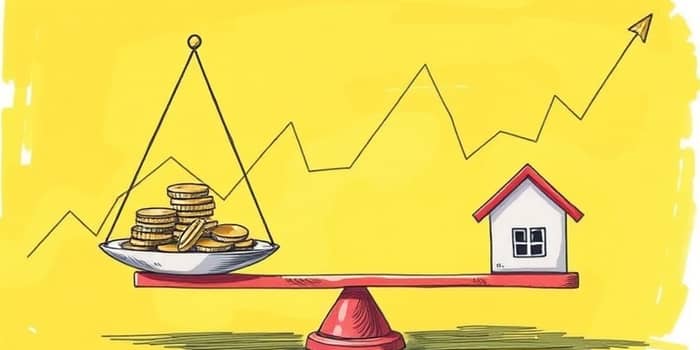
Interest rates are more than just numbers set by financial institutions—they shape our spending, saving, and overall economic well-being. By grasping how rates work, you can make smarter decisions about loans, investments, and everyday purchases.
An interest rate is the cost of borrowing money or the return earned on savings, expressed as a percentage over a set period. Whether you’re taking out a loan or depositing funds in a savings account, interest rates determine what you pay or receive.
Key classifications include:
Major players in setting rates include central banks (e.g., the Federal Reserve, Bank of England), commercial banks, and financial markets.
Central banks wield significant power in steering the economy by setting a policy rate set by central banks. In the U.S., the Federal Reserve targets the Federal Funds Rate, which affects the rates banks charge each other for overnight loans.
Decision-makers weigh various factors:
Through this dual mandate, central banks aim to balance growth with stable prices, adjusting rates in response to evolving conditions.
Changes in interest rates ripple through the economy by altering borrowing and spending behaviors. When rates fall, credit becomes cheaper, encouraging individuals and businesses to borrow more. Conversely, rising rates make loans costlier, leading to caution.
Lower rates can boost consumer and corporate borrowing, leading to increased home sales, auto purchases, and capital investments. In contrast, higher rates can cool down inflation by reducing demand and slow economic growth.
Roughly 70% of GDP in many developed economies is driven by consumer spending. As credit costs rise, large-ticket items like homes and vehicles see reduced demand. Businesses may defer expansion or hiring, affecting employment levels.
Interest rate shifts have direct consequences for your wallet:
Understanding these dynamics helps you plan for rate fluctuations, adjust spending, and optimize your portfolio.
Interest rates influence various financial arenas beyond consumer finance:
These shifts highlight why investors, policymakers, and consumers.watch rate announcements closely.
Consider how a 1% change in the federal funds rate can sway economic output by roughly 0.5–0.8% within a year. U.S. consumer spending—nearly 70% of GDP—is particularly sensitive to credit costs.
This simple example shows how even a 1% hike can add over $100 per month to mortgage costs, affecting homebuyers’ budgets and market activity.
Central banks face a delicate balancing act. Keeping rates too low for too long can fuel asset bubbles, while steep hikes risk stalling growth and increasing unemployment. Policymakers must monitor both current data and long-term trends to set prudent monetary policy.
Effective decisions require weighing short-term pain against long-term gains, always with an eye on inflation targets and labor market health.
Not every individual or sector feels rate shifts equally:
By recognizing these nuances, you can better anticipate which areas of your finances may need adjustment.
Stay informed by following central bank announcements and economic indicators such as inflation rates and employment data. Review your debt structure—consider locking in fixed rates if you anticipate further hikes. Meanwhile, shop around for savings vehicles that earn higher yields without undue risk.
Arming yourself with knowledge and proactive strategies ensures you can navigate the ebbs and flows of interest rate cycles with confidence.
References